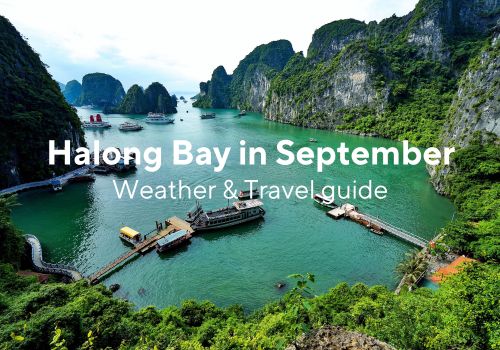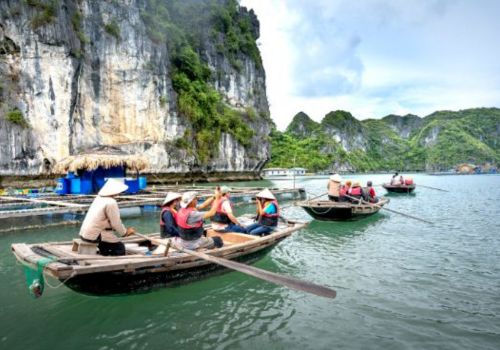

Many travelers ask if they can ride a motorbike to Halong Bay from Hanoi. This route offers freedom, scenic views, and a sense of adventure, yet it also requires preparation. Foreign riders must follow Vietnam’s traffic rules, carry the right documents, and understand the journey ahead. In this guide, I’ll share everything you need to know before taking this exciting trip.
Halong Bay, located in northern Vietnam, is famous for its dramatic limestone mountains, emerald waters, and peaceful landscapes. Riding a motorbike to Halong Bay gives you flexibility and control over your travel pace. You can stop at local villages, take photos of scenic spots, and truly enjoy the countryside along the way.
However, this journey is not for everyone. Traffic, long distances, and weather conditions can make it challenging, especially for first-time riders. In this blog, I’ll guide you through the route, legal requirements, tips, cruise connections, and everything you need for a safe and enjoyable ride.
The Route: How to Get There
The road to Halong Bay is more straightforward than most people expect, but knowing what lies ahead makes the whole journey smoother and more enjoyable.
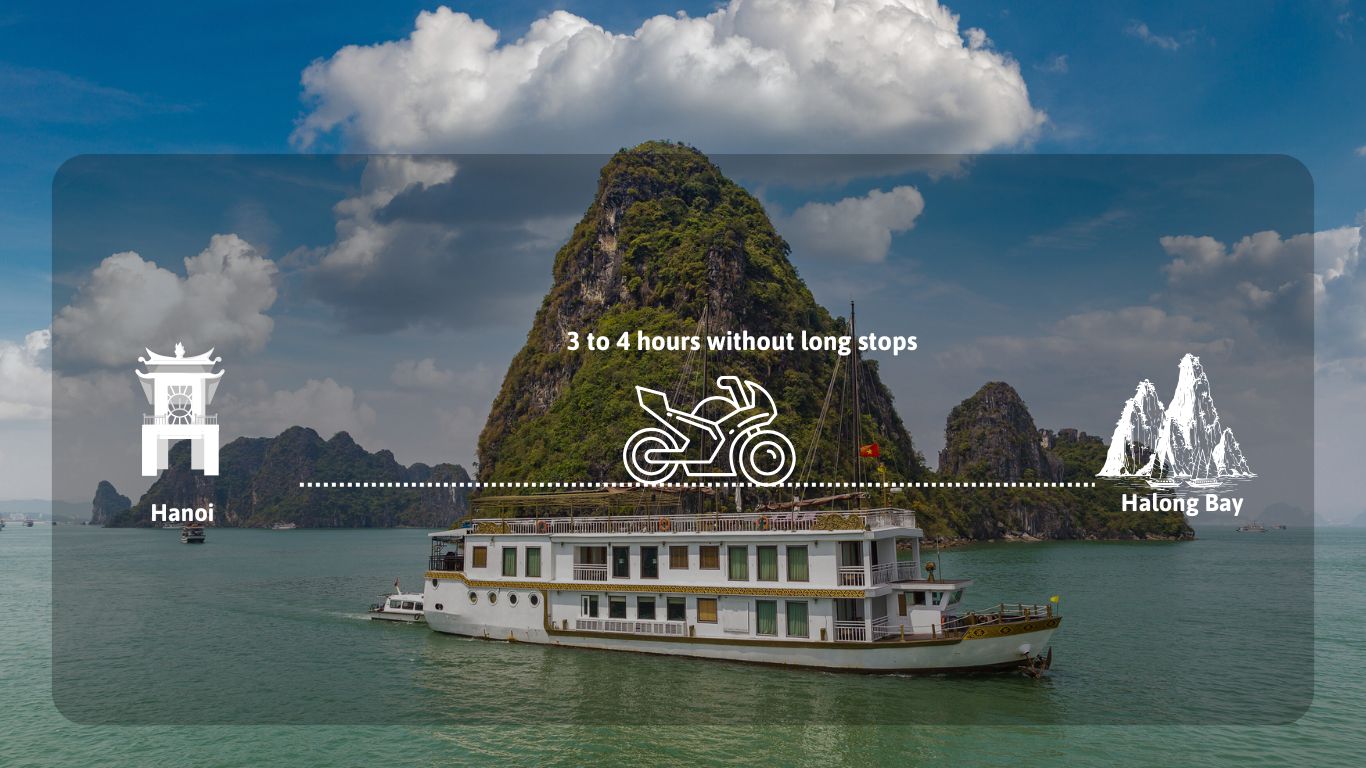
National Highway 18 (QL18): Your Only Legal Road
Motorbikes are not permitted on either the Hanoi-Haiphong Expressway or the Haiphong-Halong Expressway, so QL18 is the route. It runs approximately 160 to 170 kilometers from central Hanoi and takes around three to four hours, depending on stops and traffic.
What the Road Actually Looks Like
The first stretch from Hanoi toward Bac Ninh is flat with moderate urban traffic, manageable, and a good warm-up. From Bac Ninh onward through Uong Bi, the road quiets down and passes through rural towns, rice paddies, and light industry. The final section into Halong City brings heavier truck traffic, possible construction zones, and strong coastal winds as you near Quang Ninh. Reduce your speed here and stay alert.
Scenic Stops Worth Making
Some of the best moments on this ride happen between destinations. A few worth keeping on your radar:
- Bac Ninh town makes a great early coffee stop and holds centuries-old temples worth a few minutes of your time
- The rice paddies between Bac Ninh and Dong Trieu look especially beautiful in the morning light
- Dong Trieu and Uong Bi both have local markets worth a quick browse
- Yen Tu Mountain rewards you with impressive highland scenery before the coast comes into view, if time allows for a short detour near Uong Bi
Best Time to Travel
The best months for riding are October to April. The air is cool, and the sky is clear. However, you should avoid riding late at night since visibility drops quickly. Rainy months from May to September bring sudden showers and strong winds that require extra caution.
Is It Worth Visiting Halong by Motorbike
Before committing to two wheels, it helps to see the full picture: the highs, the challenges, and who this journey genuinely suits.
What Makes It Special
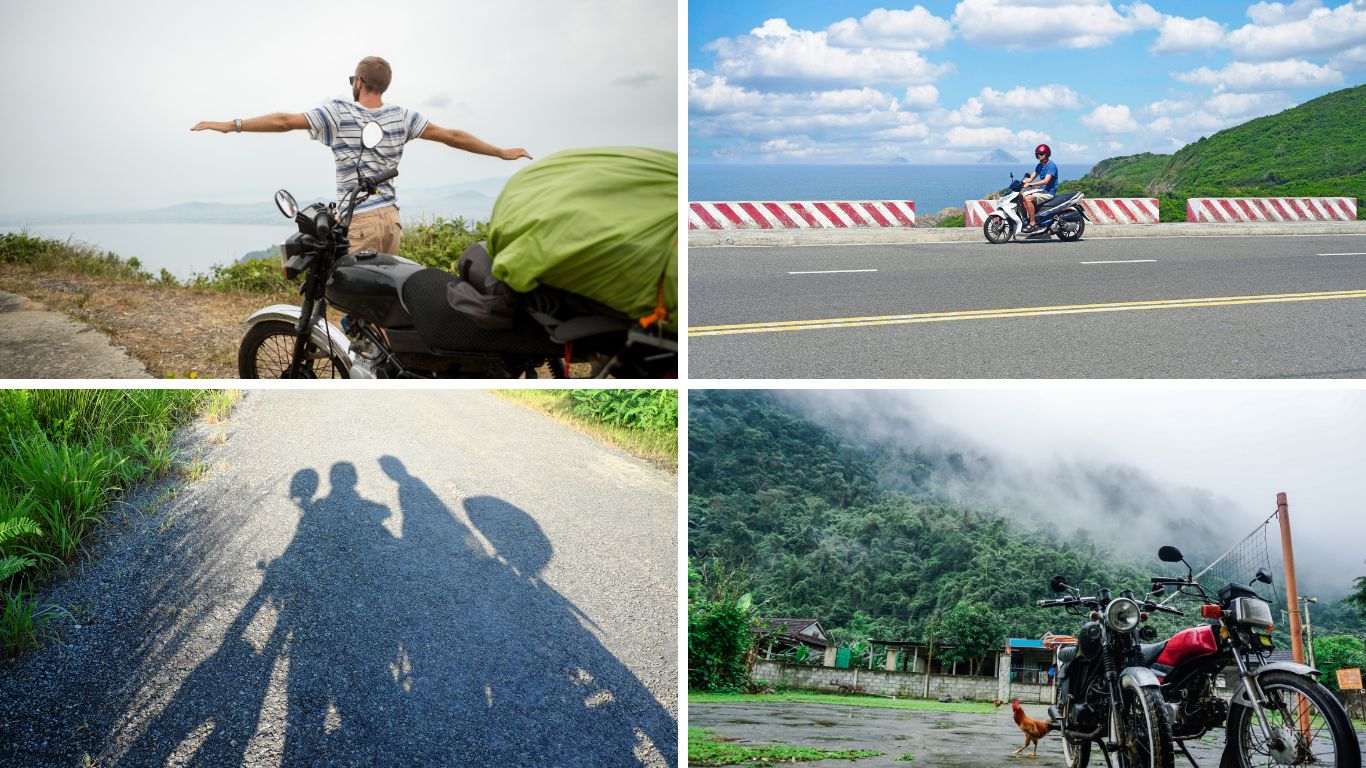
The freedom on this route is real. There are no fixed schedules, no tour groups, and no rushing past the good stuff. You stop when something catches your eye, order coffee at a roadside stall, and move at whatever pace feels right. Roadside pho and bun bo shops along QL18 serve some genuinely great food, and the rural landscapes between Hanoi and the coast give you a side of northern Vietnam that most visitors never see. Arriving at Halong Bay on your own bike also carries a quiet sense of accomplishment that no bus ride can match.
Where It Gets Challenging
A few realities worth knowing before you go:
- Industrial zones between Bac Ninh and Uong Bi bring heavy truck traffic that can feel intense for less experienced riders
- Three to four hours in the saddle adds up, especially with luggage
- Rain during the wet season makes the road slippery and visibility poor
- Carrying large bags on a motorbike is awkward at best and unsafe at worst
Who This Ride Suits Best
Confident riders traveling light will find this one of the most rewarding ways to reach Halong Bay. Families with young children, travelers with heavy luggage, or anyone new to Vietnamese roads may find a private car or limousine bus a smarter and more relaxing choice.
Legal Requirements for Foreign Riders
Getting this section right protects your safety, your finances, and your entire trip, so it deserves your full attention.
Your Driving License and IDP
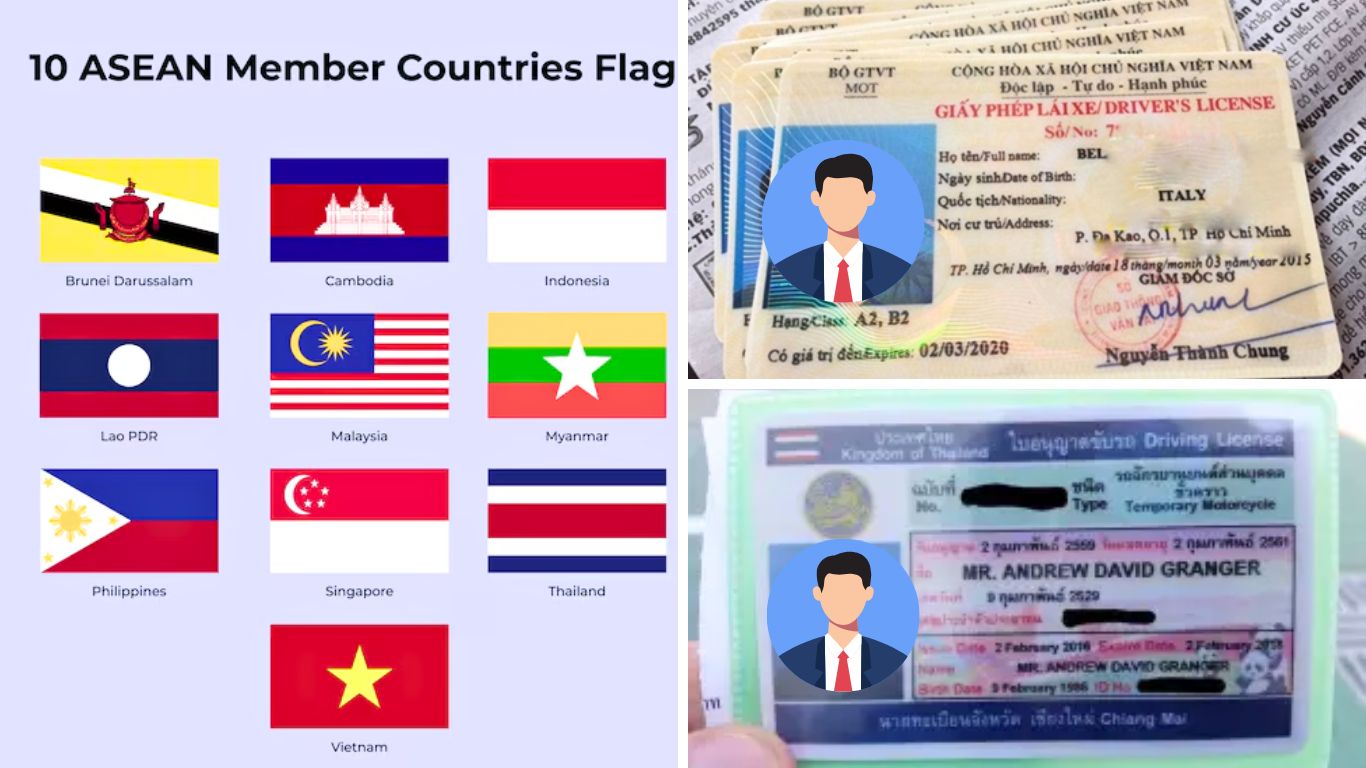
Vietnam recognizes a few different valid license situations, so it’s worth knowing where you stand before you ride. If you hold a Vietnamese motorbike license, you’re good to go with no extra paperwork needed. Riders from ASEAN countries such as Thailand, Cambodia, and others in the region can also use their home country license directly in Vietnam under the ASEAN mutual recognition agreement.
For everyone else, you must carry your home country motorbike license together with an International Driving Permit issued under the 1968 Vienna Convention. Vietnam does not recognize IDPs from the 1949 Convention, so double-check yours before leaving home. Whichever license situation applies to you, make sure your license category matches the engine size of the bike you’re riding.
Insurance: Read the Fine Print
Many standard travel insurance policies exclude motorbike riding entirely. Check yours carefully and make sure it explicitly covers riding. You also need basic third-party liability insurance for the bike itself. Riding without valid coverage turns even a minor accident into a very expensive situation.
Documents to Keep on You
Keep all of these accessible at all times, not buried in a bag:
- Passport
- Motorbike license (home country)
- IDP (1968 Vienna Convention)
- Blue Card (vehicle registration)
- Rental contract
- Insurance papers
Police checkpoints appear regularly along QL18, particularly near the Quang Ninh border.
Choosing and Checking Your Motorbike
The right bike makes the whole ride more comfortable, more controlled, and genuinely more fun.
Which Size Works Best
A 110cc or 125cc automatic or semi-automatic is the most practical choice for this route. It handles highway speeds comfortably, is easy to ride with luggage, and is widely available from rental shops in Hanoi’s Old Quarter. Avoid 50cc scooters as they lack the power for sustained highway riding and can become a liability with any added weight. Experienced riders who want a more confident feel on open stretches might prefer a manual 150cc to 250cc model.
Not sure which bike to rent or need advice before you go? The expat and traveler community in Hanoi is genuinely helpful. Groups like Motorbike in Hanoi on Facebook are widely used by riders based in the city and are a great place to ask about rentals, road conditions, or anything bike-related before your trip.

What to Check Before You Leave
Run through these basics before every ride:
- Front and rear brakes
- Tire pressure and tread
- All lights and indicators
- Fuel level
- Horn
It takes five minutes and has saved countless riders from avoidable problems on the road. Also pack a raincoat, a small luggage lock, and an offline map as backup. Signal drops in rural stretches between Bac Ninh and Uong Bi more often than you’d expect.
On the Road: Traffic, Rules, and Timing
Traffic Rules to Know
Vietnam drives on the right. Helmets are required by law at all times, speed limits are posted and enforced, and alcohol limits for riders are strict. Police checkpoints along QL18 are not uncommon, so riding sober, wearing your helmet, and keeping documents ready is simply non-negotiable.
Timing Your Ride
Leaving Hanoi by 7 am or 8 am puts you ahead of peak city traffic and gives you plenty of time to stop along the way without rushing into Halong City during the afternoon heat. Avoid riding after dark. Lighting on rural sections of QL18 is limited, and truck traffic makes nighttime conditions genuinely risky.
Seasonal Conditions
October through April offers the most reliable riding weather, with cooler temperatures, clearer skies, and more predictable roads. May through September brings the rainy season, with sudden downpours, coastal winds, and reduced visibility. If heavy rain is forecast, consider postponing or taking a bus. No view is worth a wet and dangerous ride.
Parking and Cruise Check-In
Riding to Halong Bay and boarding a cruise afterward is a popular and very workable combination. With a little planning, the transition is seamless.
Where to Park Your Bike
- Bai Chay International Cruise Port has staffed parking close to the main boarding area and is the most convenient option for most cruises
- Tuan Chau Marina offers supervised lots if your cruise departs from there
- Hotels in Bai Chay are another solid choice, particularly if you’re staying overnight before boarding, as many offer safe motorbike parking for guests
Making Check-In Easy
Arrive at least 60 to 90 minutes before your cruise departure. Bring only what you need on the boat and leave non-essentials locked with your bike. Keep your parking receipt and rental documents together, and confirm with your cruise operator in advance that motorbike arrivals are welcome. The vast majority have no issue with it, but it’s always worth a quick check.
What to Pack for the Ride
| Item | Why It Matters |
|---|---|
| Helmet | Required by law |
| Gloves | Reduces fatigue, improves grip |
| Raincoat | The weather changes fast on this route |
| Sunglasses and sunscreen | Long exposure on open roads |
| Closed-toe shoes | Safety and comfort over long distances |
| Light jacket | Wind and dust on highway sections |
| Water bottle | Hydration between stops |
| Offline map | Signal drops in rural stretches |
| Small luggage lock | Peace of mind at rest stops |
Special Features and Things to Expect on the Ride
Scenic Views and Stops Along the Way
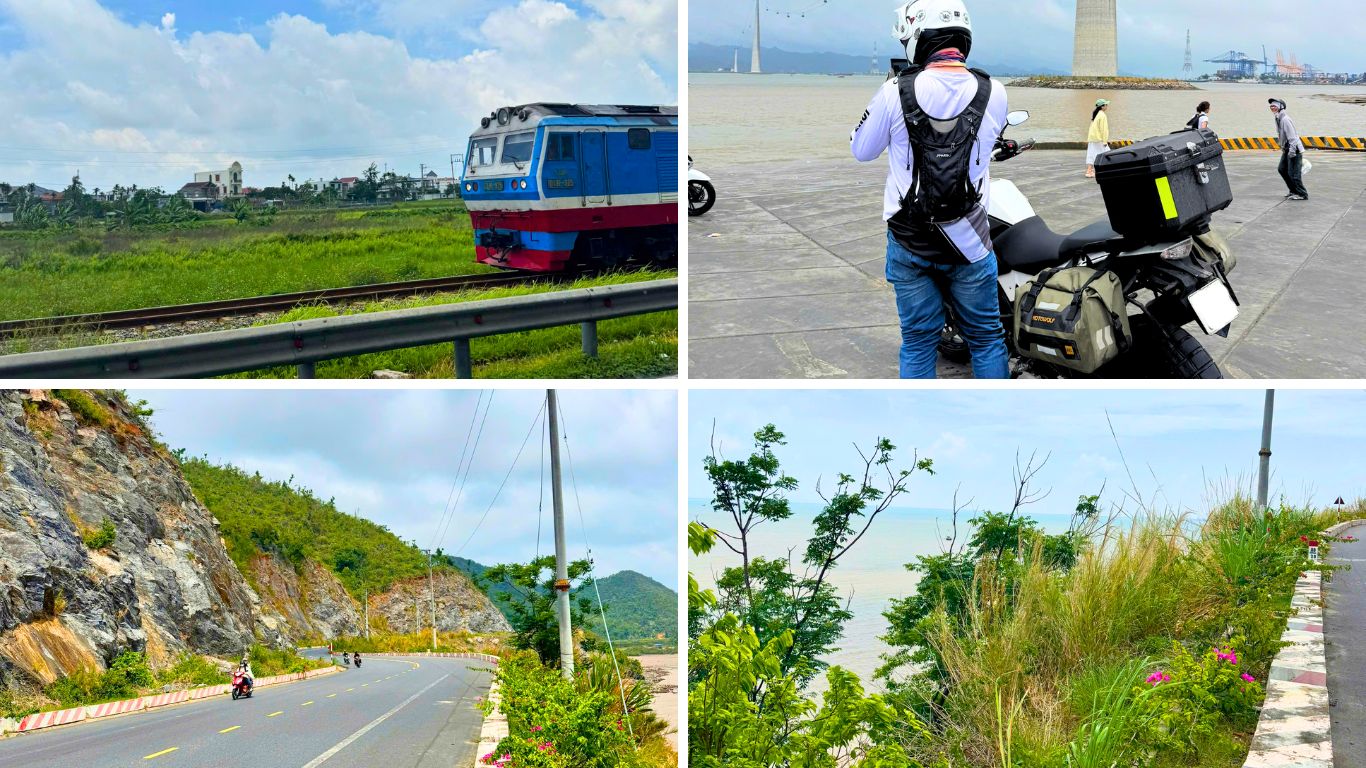
You can enjoy rice fields, small villages, rivers, and peaceful rural landscapes along QL18. These short breaks make your journey more meaningful and enjoyable.
Comparison With Other Routes in Vietnam
The route to Halong feels easier than mountainous trips like Ha Giang or Moc Chau. However, it still requires attention since traffic is busy near industrial zones.
Why Travelers Love This Motorbike Journey
The ride brings freedom and flexibility. You can stop for coffee, chat with locals, and watch daily life along the road. Many travelers feel proud when they arrive at Halong Bay on their motorbike.
Flexible Add On: Alternatives to Motorbiking to Halong
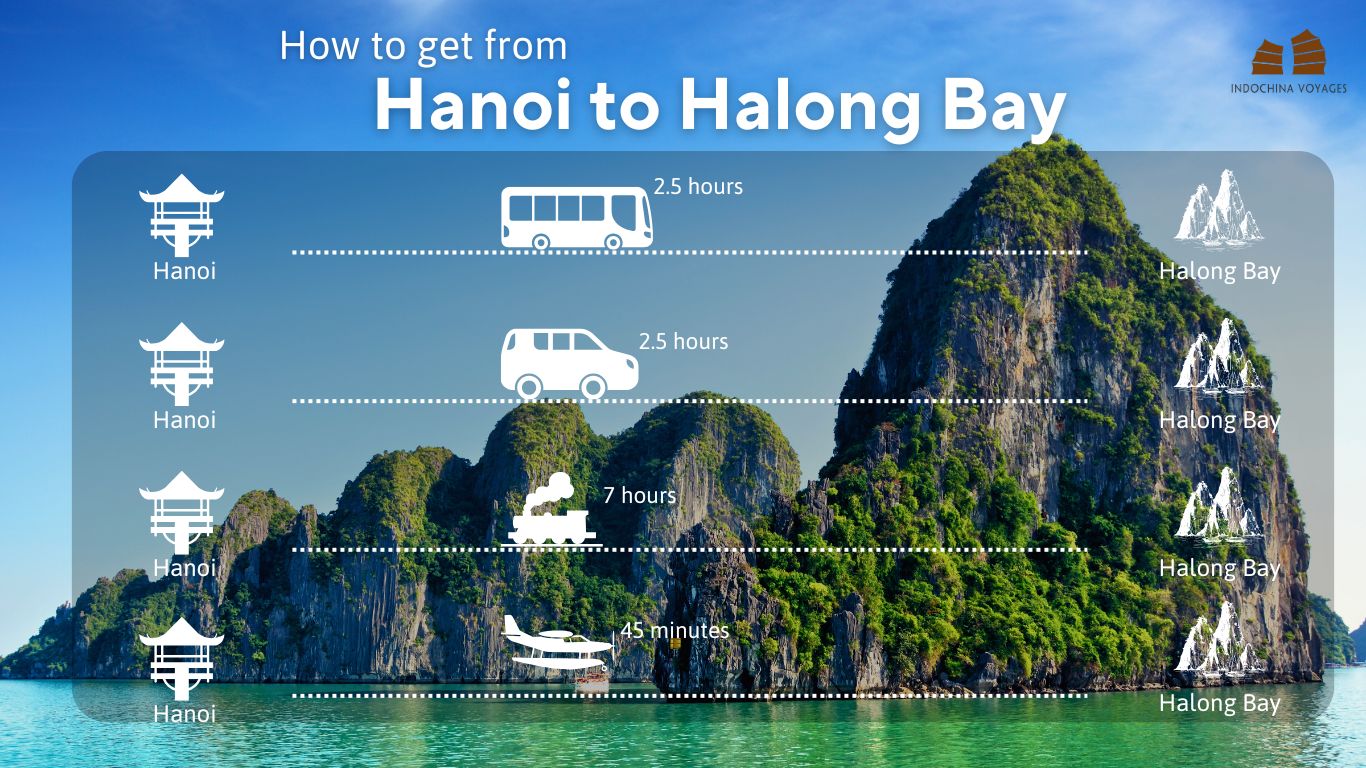
- Private Car: A private car offers comfort and privacy. You can reach Halong Bay quickly and enjoy a relaxing start to your cruise.
- Limousine Bus: A limousine bus is affordable and comfortable. Most vehicles offer wide seats and good air conditioning.
- Public Bus or Shuttle: This is the best option for budget travelers. The journey is simple and easy to arrange.
Where to Stay in Halong:
You can stay in Bai Chay, Halong City, or Tuan Chau. These areas offer hotels for every budget and also provide safe parking spaces for your motorbike. Many riders prefer Bai Chay since it sits close to the cruise port.
Private and Customized Services
If you prefer more comfort, our Halong Junk Cruise team can help you arrange private transfers, hotel bookings, and cruise check-in services. You can enjoy a smooth travel plan while still exploring at your preferred pace.
Can You Ride to Halong and Then Take a Cruise
Yes, you can ride a motorbike to Halong Bay and board a cruise afterward. Many travelers choose this plan and find it very convenient.
- Where to Park Before Boarding: You can park at Bai Chay International Cruise Port, where security is available. Tuan Chau Marina also provides supervised parking lots. Hotels in Bai Chay offer safe parking for overnight guests.
- How Cruise Check-In Works for Motorbike Riders: Arrive early so you have enough time to park and walk to the check-in building. Bring only essential luggage and keep your parking ticket safe. You can board normally once you complete the check-in process.
- Who This Option Suits: You will enjoy this plan if you carry light bags and feel comfortable with long-distance riding. Families with young children or travelers with heavy luggage may prefer a private car instead.
Suggested Cruises in Halong Bay
A Comfortable Overnight Escape on the Bay
You can choose a mid-range two-day, one-night cruise that offers clean cabins, tasty meals, and a peaceful route that lets you enjoy Halong Bay at an easy pace. In the middle of planning, you can use this guide How to Pick a Halong Bay Overnight Cruise to understand different cruise styles and find one that matches your preferences. This option works very well if you want a comfortable and relaxing overnight escape on the water.
A Luxury Voyage Through Halong and Lan Ha Bay
You can enjoy a premium cruise experience that focuses on privacy, comfort, and beautifully designed cabins. When you read the guide to Lan Ha Bay, you will understand why its quiet routes and elegant scenery make this style of journey feel more exclusive. This option is perfect for travelers who prefer a luxurious and peaceful way to discover northern Vietnam.

An Active Halong Experience for Adventure Lovers
You can choose a cruise that focuses on kayaking, swimming, and cave visits, giving you plenty of chances to stay active throughout the journey. When you follow the cruise link in the middle of the paragraph, you will discover exciting options designed for travelers who love outdoor experiences and close-up moments with nature. For even more ways to explore, you can hop on one of our Halong Junk Cruises or browse our Vietnam Tours for the ultimate northern Vietnam adventure. If you have questions or want a tailor-made plan, simply contact us or email resa@halongjunkcruise.com, and we will help make your trip unforgettable.
Practical Tips
-
Wear a helmet, gloves, and closed-toe shoes; bring a light jacket for wind and dust.
-
Choose breathable clothing, sunglasses, and sunscreen; pack a raincoat for sudden showers.
-
Start early to avoid traffic and check the weather before leaving Hanoi.
-
Bring water, keep documents handy, and take short breaks every hour.
-
Park in supervised areas and use offline maps if the signal is weak.
FAQs
Can anyone ride a motorbike to Halong
Yes, but you need proper documents and enough confidence on the road.
How long does the ride take
You need around three to four hours, depending on traffic and rest stops.
Is it safe for beginners
It may feel challenging for new riders due to busy traffic zones.
Do cruises accept motorbike arrivals
Yes, you only need to park your motorbike before check-in.
Where can I park in Halong
You can park at Bai Chay Port, Tuan Chau Marina, or your hotel.
Do I need an IDP
Yes, an IDP keeps you legal and helps your insurance stay valid.
What happens if I do not have a license
Your insurance becomes invalid, and you may face fines during checkpoints.